
Discovering the Ultimate Greek Salad: A Journey and a Recipe
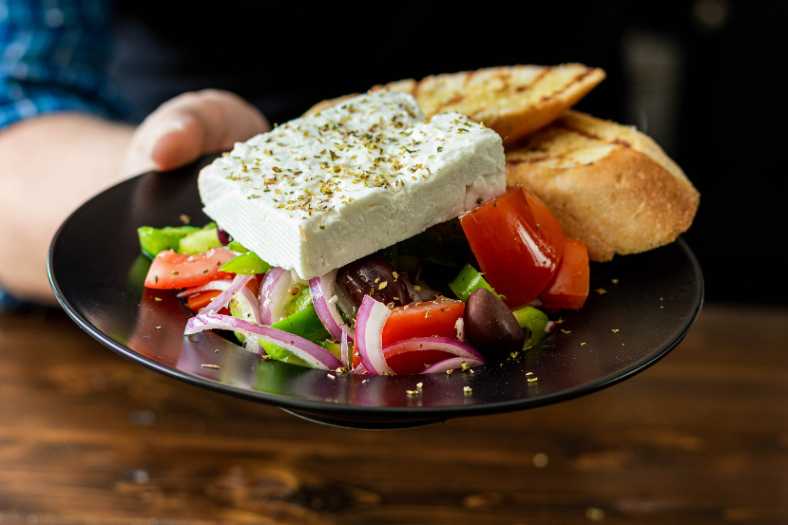
Let me take you back to a trip that changed the way I look at one of the simplest, yet most iconic dishes out there—the Greek salad. Picture this: me, wandering through the sunny, vibrant landscapes of Greece, diving fork-first into the freshest, most delicious Greek salads I’ve ever tasted. It was a game-changer. Now, I want to bring a slice of that experience into your kitchen, sharing not just a recipe but the whole vibe and a bit of the journey that got me here.
The Real Deal About Greek Salad
First off, Greek salads are ridiculously straightforward—tomatoes, cucumbers, onions, a bit of green pepper, olives, and that glorious slab of feta on top. But here’s the kicker: it’s all about the ingredients. Seriously, freshness is king. You don’t need to jet off to Greece to get your produce (though, I highly recommend it if you get the chance), but do try to score the freshest, locally-sourced stuff you can find. Trust me, it makes all the difference.
My Greek Salad Epiphany
In Greece, every bite of their salads felt like a revelation. The produce just popped—it was like they were on another level of fresh. And while I know we can’t all access Greek-grown veggies, the point is to grab the best you can get your hands on. If you’re lucky enough to have a garden, even better. There’s something special about plucking ingredients right from your backyard.
Let’s Get Into It: The Salad
Alright, let’s dive into making this salad, shall we? Start with two Roma tomatoes, chopping them into bite-size chunks. Next, grab half a cucumber, peel it (because no one needs that waxy stuff in their life), and chop it up too.
Toss these guys into a bowl with a pinch of salt and a tablespoon of vinegar, then let them hang out for about 10 minutes. This little break lets the tomato and cucumber juices get all friendly, forming the base of your dressing.
While they’re chilling, tackle a green pepper by cutting it into strips and then halve those strips. Do the same with a quarter of a small red onion—slice it as thin or as chunky as you like, it’s your salad after all. No judgy eyes here.
Add those to the bowl with your tomato and cucumber party, let them mingle for a bit, then sprinkle in a teaspoon of oregano. Give everything a good stir—this is where the magic starts happening.
The Finishing Touches
When it’s time to serve, throw in some Kalamata olives (non-negotiable, they’ve gotta be Kalamata) and top it all off with the best olive oil you can lay your hands on. Then, the pièce de résistance—a big, beautiful block of feta cheese right on top. If you can find barrel-aged feta from Greece, you’re in for a treat.
Presentation is key. Even though it’s just a salad, making it look good makes it taste even better. Trust me on this. Finish with a sprinkle of oregano, and don’t forget some crusty bread on the side. It’s perfect for scooping up all the juicy, flavorful goodness at the end.
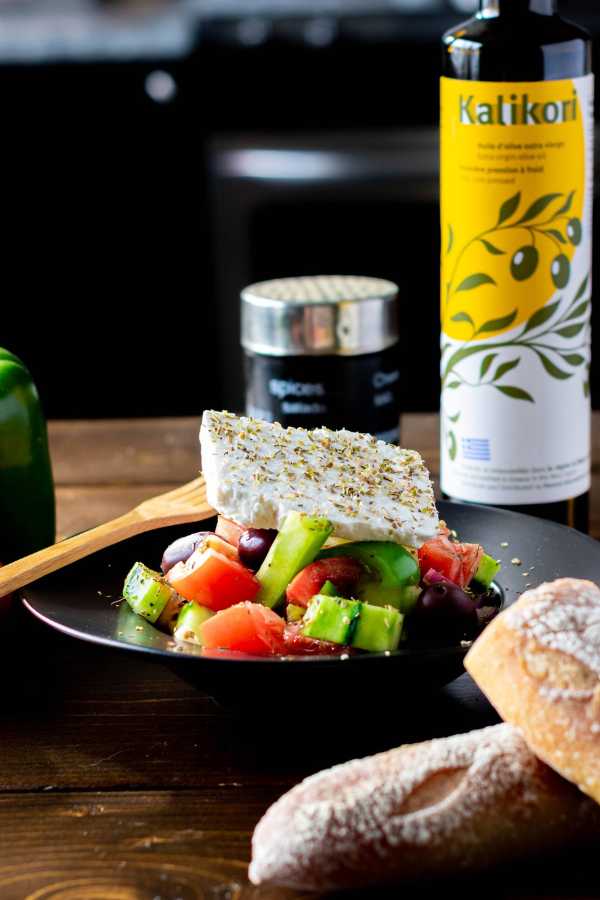
Wrap-Up: It’s More Than Just a Salad
Sharing this Greek salad recipe with you is like sharing a piece of my journey. It’s about embracing simplicity, celebrating fresh ingredients, and remembering that sometimes the best flavors come from the simplest combinations. Whether it’s summer, winter, or somewhere in between, making this salad is like bringing a bit of Greece into your home, no passport required.
So, grab those ingredients and let’s make not just a salad, but an experience. Cheers to good food, great adventures, and the joy of sharing both.
Recipe Notes
- Cheese Alternatives: If you’re looking for a dairy-free option, consider using a dairy-free feta alternative or simply omitting the cheese. For a lower calorie version, reduce the amount of feta cheese.
- Olive Oil Quality: The olive oil is a key flavor component in this salad. For the best taste, use extra-virgin olive oil, preferably from Greece or another high-quality source. The fresher the oil, the more vibrant your salad will taste.
- Seasonal Vegetables: The fresher your ingredients, the better your salad will be. Aim for locally sourced, in-season produce. If you have a garden, using your own vegetables can make this dish even more special.
- Olives: Kalamata olives are traditional, but you can experiment with different types of olives to find your preferred taste. Just be mindful of the pits.
- Dressing Adjustments: The salad traditionally relies on the natural juices of the vegetables, olive oil, and a bit of vinegar. However, you can adjust the acidity by adding more vinegar or lemon juice if you like a tangier salad.
- Herbs: While dried oregano is the classic choice, don’t hesitate to experiment with fresh herbs if you have them. Fresh oregano, basil, or even mint can add a unique twist to your salad.
- Onion Prep: If raw onion is too strong for your taste, soak the slices in cold water for about 10 minutes before adding them to the salad. This can soften the flavor.
- Serving Suggestions: This salad pairs wonderfully with grilled meats or fish for a more substantial meal. It’s also perfect as a standalone dish for a light lunch or dinner.
- Portion Control: If you’re watching your calorie intake, be mindful of the portions, especially concerning the olive oil and feta cheese, as these are the most calorie-dense components.
- Bread on the Side: Serving the salad with a side of crusty bread is not just for tradition; it’s practical! The bread is perfect for soaking up the delicious dressing at the bottom of your plate.
Remember, cooking is as much about personal taste as it is about following a recipe. Feel free to adjust this salad to make it your own!
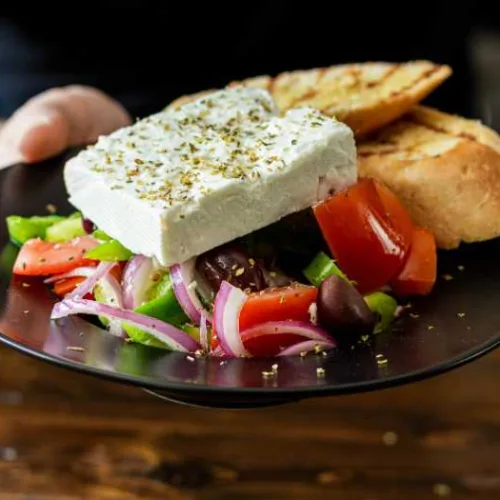
How To Make the Perfect Greek Salad
Ingredients
- 2 Roma tomatoes, cut into bite-size pieces
- 1/2 Cucumber, peeled and cut into bite-size pieces
- 1/4 Small red onion, thinly sliced
- 1 Green pepper, seeds removed and cut into strips
- Kalamata olives, as many as you can eat
- 1 Large block of feta cheese
- 1 Tbsp Vinegar
- 1/4 Cup Olive oil
- 1 Tsp Dried oregano, plus more for garnish
- Salt to taste
Instructions
- In a large bowl, combine the bite-size pieces of Roma tomatoes and cucumber.Add a pinch of salt and 1 tbsp of vinegar to the tomatoes and cucumbers. Toss well and let them sit for about 10 minutes. This process helps release their juices, which will form the base of your dressing.
- To the bowl, add the thinly sliced red onion and strips of green pepper.If you prefer your onion to be less pungent, you can soak the slices in cold water for about 10 minutes before adding them to the salad. Drain well.Toss the vegetables together to ensure they are well mixed.
- Sprinkle 1 tsp of dried oregano over the salad and mix thoroughly. The oregano adds a traditional Greek flavor that's hard to beat.
- Add Kalamata olives to the salad according to your taste.Top the salad with a large block of feta cheese. The cheese should be of the best quality you can find, as it significantly influences the overall taste of the salad.
- Drizzle the salad with high-quality olive oil. The amount of oil used can be adjusted according to personal preference, but remember, the olive oil is a key flavor component in this dish.
- Give the salad a gentle toss or leave it layered for visual impact. Sprinkle a bit more oregano on top for garnish.
- Serve the salad with some crusty bread on the side, perfect for dipping into the flavorful juices at the bottom of the bowl.Enjoy your delicious Greek Salad!
Notes
- Cheese Alternatives: If you’re looking for a dairy-free option, consider using a dairy-free feta alternative or simply omitting the cheese. For a lower calorie version, reduce the amount of feta cheese.
- Olive Oil Quality: The olive oil is a key flavor component in this salad. For the best taste, use extra-virgin olive oil, preferably from Greece or another high-quality source. The fresher the oil, the more vibrant your salad will taste.
- Seasonal Vegetables: The fresher your ingredients, the better your salad will be. Aim for locally sourced, in-season produce. If you have a garden, using your own vegetables can make this dish even more special.
- Olives: Kalamata olives are traditional, but you can experiment with different types of olives to find your preferred taste. Just be mindful of the pits.
- Dressing Adjustments: The salad traditionally relies on the natural juices of the vegetables, olive oil, and a bit of vinegar. However, you can adjust the acidity by adding more vinegar or lemon juice if you like a tangier salad.
- Herbs: While dried oregano is the classic choice, don’t hesitate to experiment with fresh herbs if you have them. Fresh oregano, basil, or even mint can add a unique twist to your salad.
- Onion Prep: If raw onion is too strong for your taste, soak the slices in cold water for about 10 minutes before adding them to the salad. This can soften the flavor.
- Serving Suggestions: This salad pairs wonderfully with grilled meats or fish for a more substantial meal. It’s also perfect as a standalone dish for a light lunch or dinner.
- Portion Control: If you’re watching your calorie intake, be mindful of the portions, especially concerning the olive oil and feta cheese, as these are the most calorie-dense components.
- Bread on the Side: Serving the salad with a side of crusty bread is not just for tradition; it’s practical! The bread is perfect for soaking up the delicious dressing at the bottom of your plate.